
Author name: srinivaspriyahospital

Cancer Screenings

The Importance of Regular Cancer Screenings: Early Detection Saves Lives

Cancer is one of the leading causes of death worldwide, but early detection can significantly improve survival rates. Regular cancer screenings help identify cancer at its earliest and most treatable stages, often before symptoms appear. At Srinivas Priya Hospital, we emphasize the importance of proactive healthcare and encourage individuals to schedule routine screenings for timely diagnosis and better outcomes. Why Are Regular Cancer Screenings Important? Early Detection Saves Lives Many cancers, such as breast, cervical, colorectal, and prostate cancer, develop silently, showing no symptoms in the early stages. Regular screenings can detect abnormal cell changes before they become cancerous or before the disease progresses to an advanced stage. Better Treatment Success Cancers detected at an early stage are often more treatable with less aggressive interventions. For example, early-stage breast cancer has a survival rate of over 90% when detected in time. Increased Treatment Options Late-stage cancers require more complex treatments, including surgery, chemotherapy, or radiation therapy. Detecting cancer early may allow for less invasive treatments, improving the patient’s quality of life. Lower Healthcare Costs Treating advanced-stage cancer is more expensive due to longer hospital stays, multiple treatments, and higher medication costs. Preventive screenings can reduce the financial burden by detecting cancer early. Common Cancer Screenings and When to Get Them 1. Breast Cancer Screening Method : Mammogram Recommended For : Women aged 40 and above (or earlier for those with a family history) Frequency : Every 1-2 years 2. Cervical Cancer Screening Method: Pap Smear and HPV Test Recommended For : Women aged 21-65 Frequency : Every 3 years (Pap Smear) or every 5 years (Pap Smear + HPV Test) 3. Colorectal Cancer Screening Method : Colonoscopy, Stool Tests Recommended For : Individuals aged 45 and older Frequency : Every 10 years (colonoscopy) or annually (stool test) 4. Prostate Cancer Screening Method : PSA (Prostate-Specific Antigen) Test Recommended For : Men aged 50 and older (or earlier for those at high risk) Frequency : Every 1-2 years 5. Lung Cancer Screening Method : Low-Dose CT Scan Recommended For : Individuals aged 50-80 with a history of smoking Frequency : Every year for high-risk individuals 6. Oral Cancer Screening Method : Physical Examination by a Doctor Recommended For : People who smoke, chew tobacco, or consume alcohol regularly Frequency : During routine dental or health checkups Who Should Get Screened? People with a Family History of Cancer : Genetics play a role in cancer risk, making regular screenings crucial for those with a family history.Individuals Over 40 : Many cancers become more common with age, so screenings should be prioritized as one gets olderThose with Lifestyle Risks : Smoking, alcohol consumption, obesity, and exposure to harmful chemicals increase the risk of cancer.Women with Hormonal Factors : Women on long-term hormone therapy or with early menstruation/late menopause should undergo regular screenings. Take Charge of Your Health Today Regular cancer screenings are a powerful tool in the fight against cancer. By taking proactive steps, you can detect cancer early, access timely treatment, and improve their chances of survival.At Srinivas Priya Hospital, we offer comprehensive cancer screening services tailored to your health needs. Schedule your screening today and take the first step toward a healthier future. Early detection saves lives—don’t wait!

Cancer Screenings

Are You at Risk of Developing Breast Cancer?

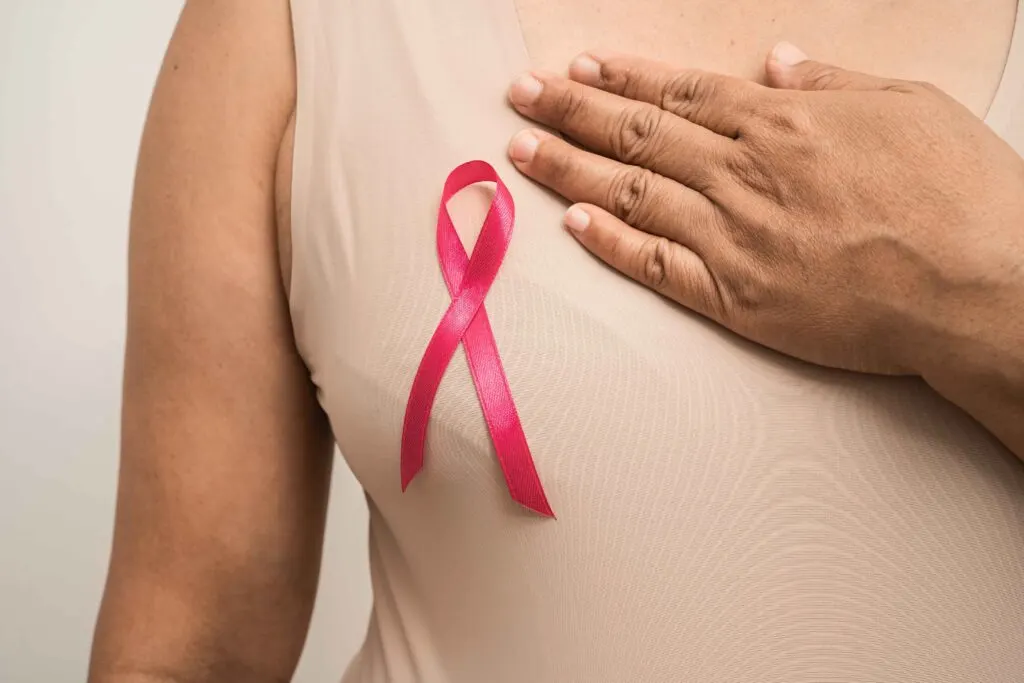
Understand Risk Factors and Take Control of Your Health Breast cancer is one of the most common cancers affecting women worldwide. While significant advances in early detection and treatment have greatly improved survival rates, understanding your personal risk factors is crucial for prevention and early intervention. Srinivas Priya Hospital, a hospital that focuses on women’s complete wellbeing, is dedicated to empowering women with the knowledge and resources they need to stay proactive about their health. This blog will explore the factors that increase the risk of breast cancer, and this will help you assess your risk, to take preventive action early. Common Risk Factors for Breast Cancer While any woman can develop breast cancer, certain factors increase your likelihood of developing the disease. These risk factors can be categorized into two types: non-modifiable and modifiable. 1. Non-Modifiable Risk Factors These are factors you cannot change, but they are important to be aware of.Age : As you age, your risk of breast cancer increases. Most breast cancer diagnoses occur in women over 50.Family History : If you have close relatives—such as a mother, sister, or daughter—who have been diagnosed with breast cancer, especially at an early age, your risk is higher.Genetics : Certain inherited gene mutations, most commonly BRCA1 and BRCA2, significantly raise the risk of breast cancer.Menstrual History : Women who began menstruating before age 12 or experienced menopause after 55 have a slightly higher risk due to prolonged oestrogen exposure.Previous Breast Conditions : If you’ve been diagnosed with atypical ductal hyperplasia or lobular carcinoma in situ (LCIS), conditions that affect breast tissue, your chances of developing breast cancer increase. Gender : Breast cancer primarily affects women, though men can also develop the disease. 2. Modifiable Risk Factors These are factors within your control. By making certain lifestyle changes, you can lower your risk of developing breast cancer.Alcohol Consumption : Women who consume more than one alcoholic drink per day have a higher risk of developing breast cancer. Limiting or avoiding alcohol can reduce your risk.Obesity and Weight Gain :Postmenopausal women who are overweight or obese have a higher chance of developing breast cancer. Maintaining a healthy weight through diet and exercise can lower your risk.Lack of Physical Activity : Regular exercise helps maintain a healthy weight and balances hormones, both of which can reduce your risk.Hormone Replacement Therapy (HRT): Long-term use of combined hormone replacement therapy (oestrogen and progesterone) during menopause increases the risk of breast cancer. Talk to your doctor about alternatives or the shortest possible duration of use.Smoking : There is growing evidence linking smoking to an increased risk of breast cancer, particularly in premenopausal women. Quitting smoking offers many health benefits, including a lower risk of breast cancer. Early Detection and Screening Even if you have multiple risk factors, it doesn’t mean you’ll necessarily develop breast cancer. It just means you should be vigilant about screening and early detection. This can make a huge difference in outcomes.So, what can you do to detect breast cancer early?There are two ways to detect breast cancer eraly. They are:Mammograms : A mammogram is an X-ray of the breast and is one of the most effective tools for detecting breast cancer early, often before any symptoms appear. Women should begin regular mammograms at age 40, but those with a family history of breast cancer may need to start earlier. Talk to your doctor about the best screening schedule for you.Breast Self-Exams : Regular self-exams can help you become familiar with how your breasts normally look and feel. If you notice any changes such as lumps, nipple discharge, or skin changes, consult a doctor immediately.

PCOS

Coping and Living with PCOS

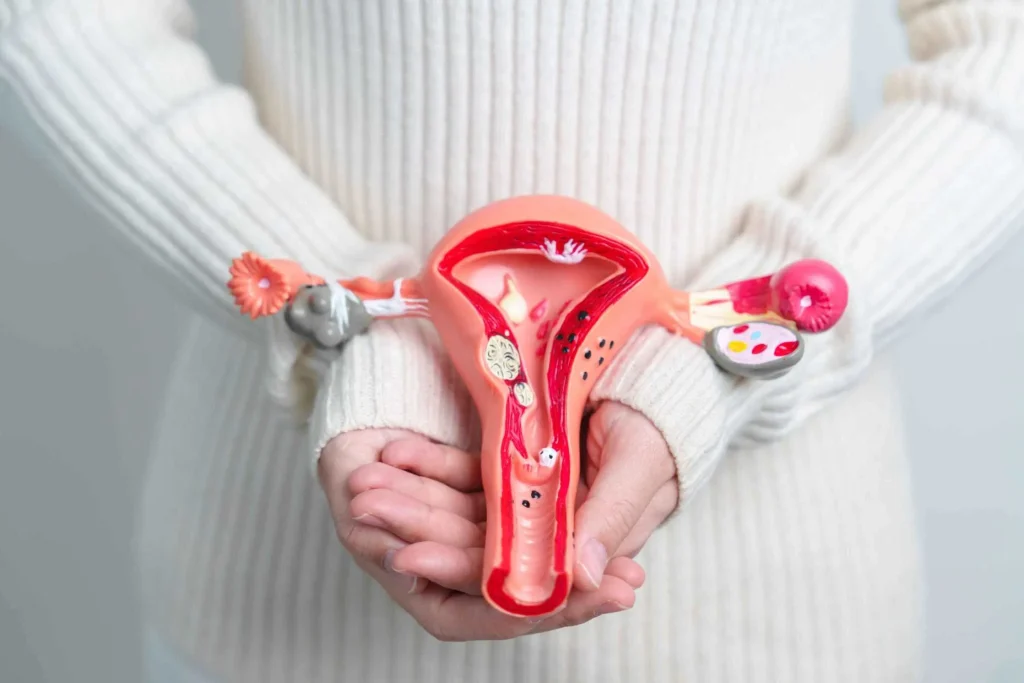
Let’s have an open conversation about something many women experience but don’t always talk about—fibroids. These common growths in the uterus can affect your health and well-being in ways you might not even realize. At Srinivas Priya Hospital, we’re all about women’s health, so let’s dive into the basics and clear up some of the mystery surrounding fibroids. What Exactly Are Fibroids? First things first—fibroids are non-cancerous growths that form in or around the uterus. They’re made up of muscle and connective tissue, and they can show up in different places. Inside the uterine wall (intramural fibroids) Under the uterine lining (submucosal fibroids) On the outer surface of the uterus (subserosal fibroids) Or attached by a little stalk (pedunculated fibroids) Fibroids can be tiny or grow big enough to cause noticeable symptoms. Every woman’s experience is unique! Am I at Risk for Fibroids? If you’re wondering whether you might develop fibroids, here are some things to keep in mindAge matters : They’re most common in women between 30 and 50.Hormones play a role : Oestrogen and progesterone can encourage fibroid growth.It runs in the family : If your mom or sister had fibroids, your chances go up.Lifestyle counts : Obesity, eating too much red meat, or not being active can increase your risk. How Do I Know If I Have Fibroids? Here’s the tricky part—not all fibroids cause symptoms. But when they do, you might notice: Heavy, painful or long periods A feeling of pressure or pain in your lower belly The need to pee often or difficulty emptying your bladder Constipation Backaches or pain in the stomach area Growing abdomen How Are Fibroids Diagnosed? At Srinivas Priya Hospital, we have some amazing tools to help identify fibroids. An ultrasound is often the first step, but we might also recommend an MRI or a hysteroscopy (a tiny camera that looks inside your uterus). These tools help us figure out the size and location of the fibroids so we can plan the best treatment for you. What Can Be Done About Fibroids? The good news is that there are plenty of options, and we’ll help you choose what’s best for you. Treatments range from

SPH

Let’s Talk About Fibroids: What Every Woman Should Know

Let’s have an open conversation about something many women experience but don’t always talk about—fibroids. These common growths in the uterus can affect your health and well-being in ways you might not even realize. At Srinivas Priya Hospital, we’re all about women’s health, so let’s dive into the basics and clear up some of the mystery surrounding fibroids. What Exactly Are Fibroids? First things first—fibroids are non-cancerous growths that form in or around the uterus. They’re made up of muscle and connective tissue, and they can show up in different places. For example Inside the uterine wall (intramural fibroids) Under the uterine lining (submucosal fibroids) On the outer surface of the uterus (subserosal fibroids) Or attached by a little stalk (pedunculated fibroids) Fibroids can be tiny or grow big enough to cause noticeable symptoms. Every woman’s experience is unique!Age : As you age, your risk of breast cancer increases. Most breast cancer diagnoses occur in women over 50.Family History : If you have close relatives—such as a mother, sister, or daughter—who have been diagnosed with breast cancer, especially at an early age, your risk is higher.Genetics : Certain inherited gene mutations, most commonly BRCA1 and BRCA2, significantly raise the risk of breast cancer.Menstrual History : Women who began menstruating before age 12 or experienced menopause after 55 have a slightly higher risk due to prolonged oestrogen exposure.Previous Breast Conditions : If you’ve been diagnosed with atypical ductal hyperplasia or lobular carcinoma in situ (LCIS), conditions that affect breast tissue, your chances of developing breast cancer increase. Gender : Breast cancer primarily affects women, though men can also develop the disease. 2. Modifiable Risk Factors These are factors within your control. By making certain lifestyle changes, you can lower your risk of developing breast cancer.Alcohol Consumption : Women who consume more than one alcoholic drink per day have a higher risk of developing breast cancer. Limiting or avoiding alcohol can reduce your risk.Obesity and Weight Gain :Postmenopausal women who are overweight or obese have a higher chance of developing breast cancer. Maintaining a healthy weight through diet and exercise can lower your risk.Lack of Physical Activity : Regular exercise helps maintain a healthy weight and balances hormones, both of which can reduce your risk.Hormone Replacement Therapy (HRT): Long-term use of combined hormone replacement therapy (oestrogen and progesterone) during menopause increases the risk of breast cancer. Talk to your doctor about alternatives or the shortest possible duration of use.Smoking : There is growing evidence linking smoking to an increased risk of breast cancer, particularly in premenopausal women. Quitting smoking offers many health benefits, including a lower risk of breast cancer. Early Detection and Screening Even if you have multiple risk factors, it doesn’t mean you’ll necessarily develop breast cancer. It just means you should be vigilant about screening and early detection. This can make a huge difference in outcomes.So, what can you do to detect breast cancer early?There are two ways to detect breast cancer eraly. They are:Mammograms : A mammogram is an X-ray of the breast and is one of the most effective tools for detecting breast cancer early, often before any symptoms appear. Women should begin regular mammograms at age 40, but those with a family history of breast cancer may need to start earlier. Talk to your doctor about the best screening schedule for you.Breast Self-Exams : Regular self-exams can help you become familiar with how your breasts normally look and feel. If you notice any changes such as lumps, nipple discharge, or skin changes, consult a doctor immediately.

Scroll to Top